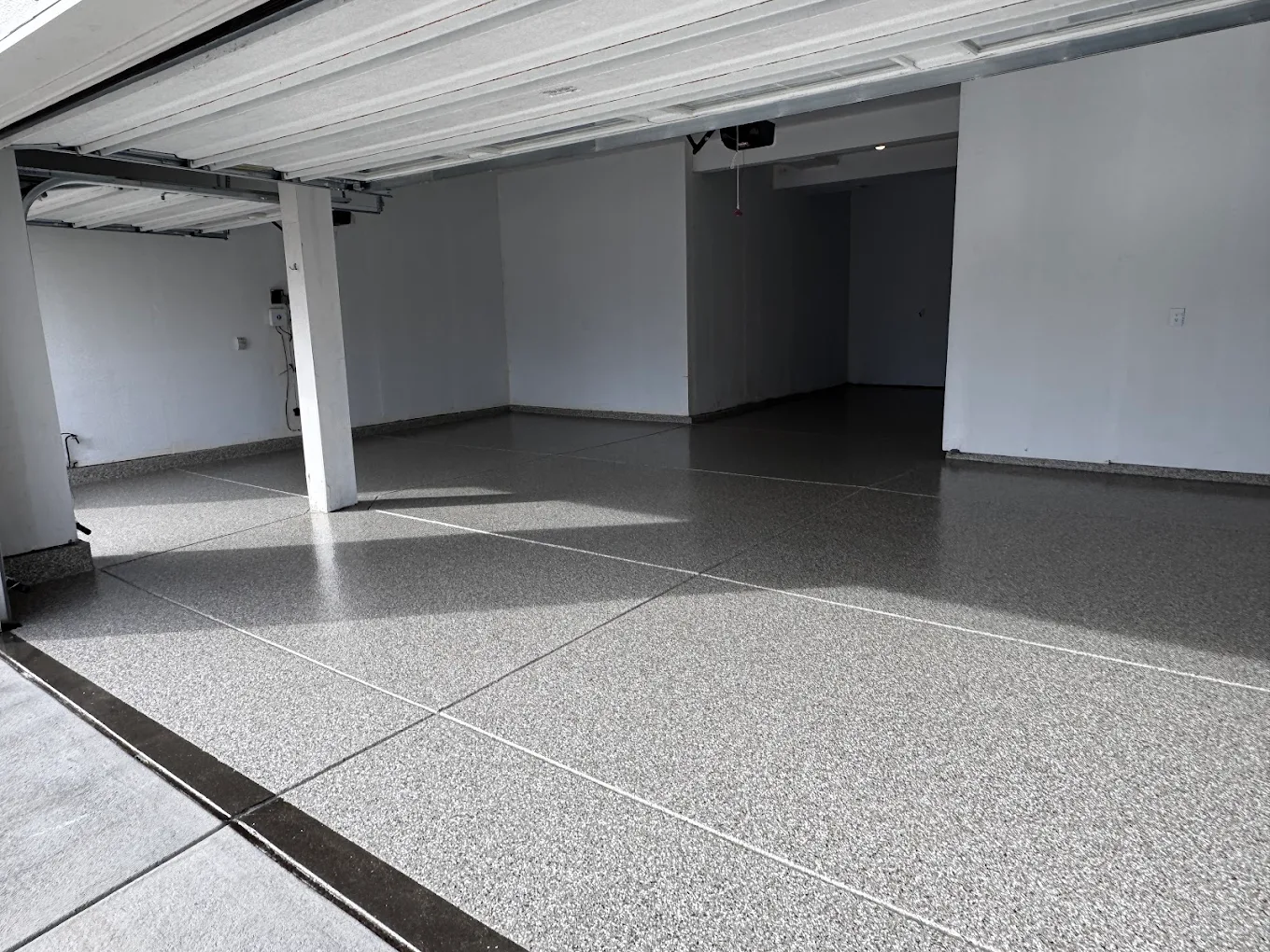
Choosing between glossy and matte epoxy changes how your garage feels, how it handles traffic, and how long it stays looking good. The guide reveals hidden trade‑offs most homeowners overlook.
Ever walked into a garage and felt the floor either scream modern chic or hide every speck of dust? That reaction often stems from the finish you pick, not just the epoxy itself. In Parker, where winter brings salt and snow, the choice can affect safety and maintenance more than you might think.
This article breaks down the physics of light, the impact of surface roughness, and the real‑world wear patterns you’ll see after a season. You’ll learn which finish suits heavy traffic, which hides imperfections, and how to avoid costly re‑coats.
Key Takeaways
Gloss finishes amplify light and show scratches, while matte finishes boost traction and conceal wear. Proper preparation, climate considerations, and finish‑specific additives determine longevity in Parker homes.
- Light Impact: Gloss amplifies ambient light, making a space feel larger, but it also highlights dust and tire marks, especially after winter melt.
- Traction Balance: Matte finishes create micro‑roughness that boosts slip resistance, a key safety factor when de‑icing salts are tracked inside.
- Maintenance Rhythm: Gloss surfaces clean faster but may need more frequent polishing; matte finishes tolerate light cleaning without showing streaks.
- Installation Nuance: Surface preparation, moisture testing, and temperature control affect both finishes, yet matte systems often tolerate slight substrate movement better.
- Lifecycle Cost: While matte may cost a bit more upfront, its ability to hide wear can extend re‑coat intervals, saving money over a decade.
Why Most Homeowners Choose the Wrong Finish for Their Traffic Pattern
Many Parker homeowners pick a finish based on showroom photos rather than real‑world traffic. A glossy floor looks stunning under bright summer light, yet the same shine can betray every scuff after a busy weekend of car projects.
The mistake often stems from assuming a high‑gloss look equals durability. In practice, heavy foot traffic, occasional oil spills, and winter salt tracking demand a finish that tolerates abrasion and moisture without cracking.
Common Missteps
- Aesthetic First: Selecting gloss solely for visual appeal ignores how surface roughness affects slip resistance and wear patterns.
- Seasonal Ignorance: Overlooking Parker’s freeze‑thaw cycles leads to premature delamination on glossy systems that lack flexibility.
- Cleaning Assumption: Believing a glossy floor will stay spotless without regular polishing creates unrealistic maintenance expectations.
- Moisture Blindness: Skipping ASTM F2170 moisture testing can cause blistering under both finishes, but matte topcoats often hide early signs longer.
- Budget Shortcut: Choosing the cheapest epoxy ignores the long‑term cost of re‑coating when a matte finish would have lasted longer.
Understanding these pitfalls helps you match the finish to your garage’s traffic rhythm. By weighing light, traction, and climate factors, you can avoid the costly redo that many Parker residents discover after the first winter.
How Light Reflection Changes the Feel of Your Space Completely
Light behaves differently on a high‑gloss surface compared to a low‑reflective matte one. Gloss floors bounce light, creating a bright, airy vibe that can make a modest garage appear larger, while matte floors absorb light, offering a softer, more grounded atmosphere.
In Parker’s sunny summer months, the extra bounce can reduce the need for artificial lighting, but it also makes dust and oil stains pop. Matte finishes, by scattering light, tend to hide these imperfections, which is why many practical users prefer them for high‑traffic areas.
Reflection Effects
- Specular Gloss: Measured by ASTM D523, a true gloss finish shows GU values above 70 at 60°, creating a mirror‑like surface that amplifies ambient light.
- Diffuse Matte: Matte finishes register GU below 20, scattering light and reducing glare, which can be easier on the eyes during long work sessions.
- Color Perception: Gloss can make colors appear more saturated; matte tones look muted but more consistent across different lighting conditions.
- Heat Gain: Reflective gloss may increase surface temperature under direct sun, while matte finishes stay cooler, a subtle benefit for garage workshops.
- Visual Noise: High gloss highlights surface irregularities, making any unevenness or dust particles immediately visible.
Choosing based on how you want the space to feel, bright and open or calm and forgiving, can guide you toward the finish that aligns with your daily routine and aesthetic preferences.
Matte Epoxy Hides Imperfections Better, But There’s a Scratch Tradeoff
Matte epoxy relies on micro‑roughness to scatter light, which also masks small dents, dust, and tire marks. This makes it a popular choice for busy Parker garages where the floor endures daily wear and occasional spills.
The downside is that the same rough texture can make scratches more noticeable when they do appear, especially if the topcoat lacks sufficient hardness. Understanding the balance between concealment and scratch visibility is key to setting realistic expectations.
Key performance comparison between gloss and matte epoxy finishes
| Attribute | Gloss Finish | Matte Finish |
|---|---|---|
| Specular Gloss (GU) | 70‑90 at 60° | 15‑25 at 60° |
| Slip Resistance (COF) | 0.45‑0.55 (wet) | 0.60‑0.70 (wet) |
| Scratch Visibility | Low on smooth surfaces | Higher when deep |
| Maintenance Frequency | Monthly polishing recommended | Quarterly light cleaning |
Concealment vs. Scratch
- Micro‑Texture: Fine silica particles create a matte surface that diffuses light, reducing the visual impact of surface flaws.
- Scratch Visibility: When a scratch penetrates the topcoat, the surrounding matte texture can accentuate the line, unlike gloss where the reflection may hide it.
- Hardness Choice: Selecting a high‑hardness epoxy resin can mitigate scratch depth, but may reduce flexibility needed for freeze‑thaw movement.
- Repair Approach: Touch‑up on matte finishes often requires re‑blending the matting agent to maintain uniform appearance.
- Longevity Insight: In practice, matte floors in Parker retain their hide‑hiding quality for up to 12 months before minor scratches become apparent.
If you value a floor that stays looking even after a season of heavy use, matte may be the better bet, provided you accept occasional minor scratches and plan for periodic touch‑ups.
The Slip Resistance Difference That Actually Matters in Wet Areas
Slip resistance is a safety metric that often gets overlooked when choosing a floor finish. In Parker’s winter, melted snow and road salt can make a garage floor slick, especially if the surface is too smooth.
Matte epoxy adds microscopic peaks that increase the static coefficient of friction, while gloss finishes provide a flatter plane that can become hazardous when wet. Knowing the real numbers helps you make a safer decision.
Safety Factors
- COF Standards: ASTM D2047 defines a minimum static COF of 0.5 for wet surfaces; matte finishes typically exceed this threshold.
- Salt Impact: De‑icing salts reduce friction on smooth gloss floors more dramatically than on textured matte surfaces.
- Cleaning Residue: Gloss floors can retain thin water films, while matte textures promote quicker drainage.
- Footwear Interaction: Rubber soles grip better on matte’s micro‑roughness, reducing slip risk for family members.
- Regulatory Note: Local building codes often reference slip resistance for commercial spaces, and the same safety expectations apply to home garages.
Prioritizing slip resistance not only protects your family but also reduces the likelihood of costly accidents during the snow‑melt months that dominate Parker’s winter calendar.
When Gloss Epoxy Shows Every Footprint and Dust Particle
A glossy floor acts like a mirror, reflecting every speck of dust and every tire mark. While this can be visually striking in a pristine garage, it also means that routine maintenance becomes more demanding.
In Parker, where wind‑blown dust and occasional oil drips are common, a glossy surface can quickly look dirty, prompting homeowners to clean more often than they might prefer.
Visibility Issues
- Dust Amplification: Fine particles become visible under direct light, creating a speckled appearance that can seem unclean.
- Footprint Clarity: Tire tread patterns leave distinct marks that stand out on a high‑gloss surface, especially after winter tire changes.
- Cleaning Frequency: To maintain a showroom look, glossy floors often require daily sweeping and weekly polishing.
- Stain Detection: Oil stains are easier to spot, which can be an advantage for early removal but also a constant visual reminder.
- Aesthetic Fatigue: Homeowners may feel the floor looks “old” faster, leading to premature re‑coating decisions.
If you enjoy a pristine, high‑shine look and are prepared for diligent upkeep, gloss can work. Otherwise, the hidden‑imperfection advantage of matte may better suit a busy Parker household.
How Recoating and Touch‑Ups Work Differently Between Finishes
Recoating a garage floor isn’t just a matter of applying another layer; the finish type dictates preparation steps, cure times, and blending techniques. Gloss and matte systems each have quirks that affect how seamless a touch‑up appears.
In Parker’s climate, temperature swings can influence cure speed, making timing critical for both finishes. Understanding the procedural differences helps you plan for minimal downtime.
Recoat Mechanics
- Surface Prep: Gloss floors require a perfectly smooth substrate for a flawless bond, while matte can tolerate slight roughness due to its texture.
- Blend Matching: Matte touch‑ups need careful integration of matting agents to avoid glossy spots, whereas gloss requires exact sheen matching.
- Cure Timing: High‑gloss systems often cure faster in warm summer days, but may need extended curing in cold winter months.
- Layer Thickness: Matte topcoats typically add a slightly thicker layer to maintain slip resistance, affecting total film build.
- Professional Insight: Working with local installers who understand Parker’s temperature ranges ensures proper film formation for both finishes.
By recognizing these distinctions, you can schedule re‑coats at the right season, choose the appropriate prep method, and keep your garage floor looking consistent for years.
The Sheen Level That Commercial Spaces Choose Over Pure Gloss
Commercial facilities often avoid full gloss because it can be too reflective and show wear quickly. Instead, they opt for a satin or low‑gloss sheen that balances appearance with durability, a trend that’s also relevant for high‑traffic residential garages.
In Parker, where businesses and homes share similar climate challenges, the same logic applies: a modest sheen can hide imperfections while still offering a professional look.
Sheen level comparison for different epoxy finishes
| Finish Type | Typical GU | Recommended Use |
|---|---|---|
| Full Gloss | 70‑90 | Showrooms, decorative areas |
| Satin/Low‑Gloss | 30‑45 | High‑traffic garages, commercial entryways |
| Matte | 15‑25 | Industrial floors, wet environments |
Commercial Preference
- Satin Balance: A satin finish sits between gloss and matte, providing subtle shine without the glare of full gloss.
- Durability Edge: Slightly lower gloss reduces the visibility of surface scuffs, extending the interval between maintenance cycles.
- Brand Perception: Customers perceive satin as clean and modern, while still feeling safe on a less slippery surface.
- Installation Flexibility: Satin systems often use the same epoxy base as gloss, allowing contractors to adjust matting agent levels on site.
- Cost Consideration: The material cost is comparable to gloss, but the longer service life can lower total ownership expense.
Choosing a lower‑sheen epoxy gives you a professional look that ages gracefully, a practical solution for both commercial spaces and busy Parker garages.
Finishing Your Garage Right
From light reflection to slip resistance, the finish you select shapes both the look and safety of your Parker garage. Gloss offers a sleek shine but demands diligent cleaning, while matte hides dust and improves traction at the cost of occasional visible scratches.
Take the time to assess your traffic patterns, climate impacts, and maintenance willingness before deciding. If you need help weighing options or want a professional installation that respects Parker’s unique weather, reach out for a free consultation.
Author
This article was written by the EvrStep Epoxy Coatings Editorial Team, experienced professionals serving Parker. Our team focuses on educating clients and providing valuable insights to help them make informed decisions.